Imagine your body is like a car, and glucose is the fuel it needs to run. When a car has enough fuel, the engine runs properly. If there is too little or too much fuel, the car can’t work like it is supposed to. Your body works in the same way – it needs an ideal amount of glucose in the blood to be healthy. So, what happens when your blood sugar is too high or too low?
Hyperglycemia (High Blood Sugar): This is when there’s too much glucose in your blood. This can happen when there is not enough insulin in your bloodstream to allow the glucose to enter your cells. For example, if you eat a high carb meal and forget to bolus, your blood sugar will climb since the glucose in your blood has nowhere to go.
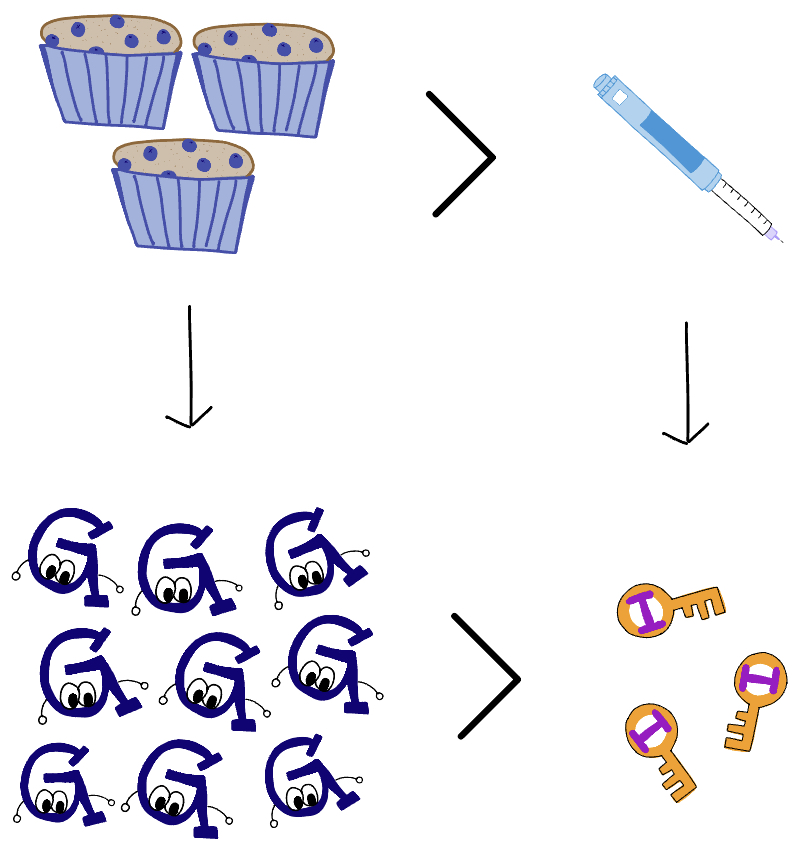
When this happens, you might feel tired, thirsty, and need to pee more often.
What do you do in this situation?
- Recognize the Signs: Pay attention to how you’re feeling. If you start feeling thirsty, sweaty, or the need to pee more frequently, you might have high blood sugar.
- Check Blood Sugar: Use your blood sugar meter to check your blood sugar level. If it’s higher than your target range, you might be experiencing hyperglycemia.
- Take Insulin: If your blood sugar is high, you might need to take insulin. Your doctor will have given you a plan for how much insulin to take when your blood sugar is high.
- Drink Water: Drinking water can help flush out the extra glucose and ketones from your body and prevent dehydration.
- Choose Healthy Foods: Eat foods that are good for you, like vegetables, lean proteins, and whole grains. Avoid sugary snacks and drinks.
- Stay Active: Being active can help lower your blood sugar. You don’t need to do intense exercise, just some light activity like going for a walk can help.
Hypoglycemia (Low Blood Sugar): This is when there’s not enough glucose in your blood. This can occur when there is too much insulin in your bloodstream. As a result, more glucose enters your cells than is necessary, and there will not be enough glucose circulating in your blood.
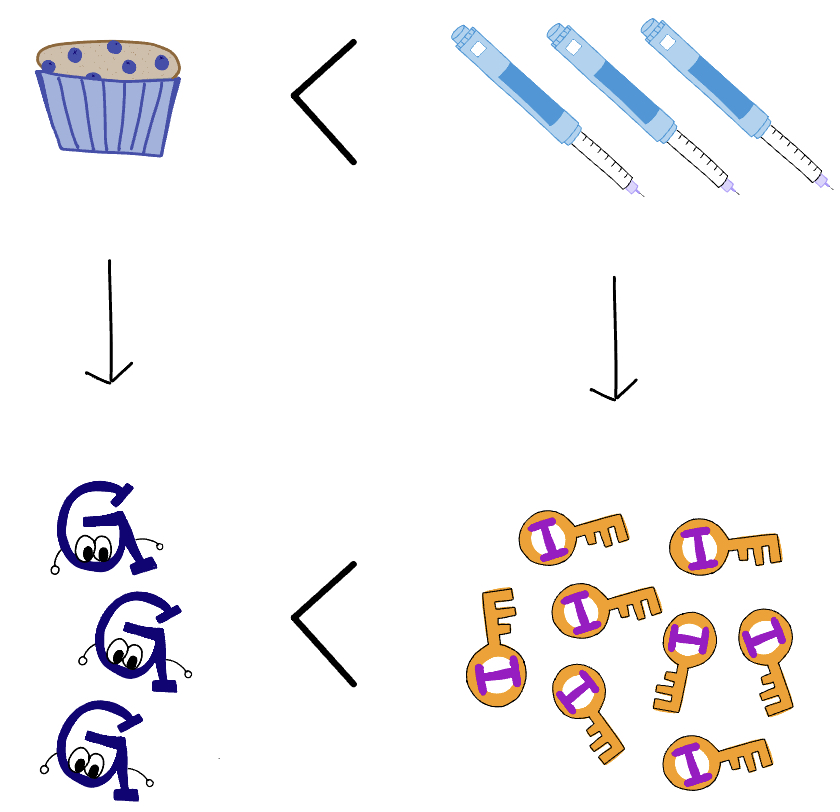
Your blood sugar can also drop when you are very active. When you exercise, your body needs more fuel, so it breaks down more glucose to convert into ATP – the energy your body runs on. As a result, the glucose in your bloodstream is used up faster. When blood sugar levels drop too low, your may experience trembling, sweating, rapid heartbeat, and confusion.
What do you do in this situation?
- Recognize the Signs: Pay attention to how you’re feeling. If you start feeling shaky, dizzy, sweaty, or hungry, you might have low blood sugar.
- Check Blood Sugar: Use your blood sugar meter to check your blood sugar level. If it’s lower than your target range, you might be experiencing hypoglycemia.
- Eat a Snack: Have a quick-acting source of sugar, like juice, candy, or glucose tablets. This will raise your blood sugar quickly. Ask your parents or a grown-up for help if needed.
- Wait and Rest: After having the sugary snack, wait for about 15 minutes and see if you start feeling better. Resting can help your body recover.
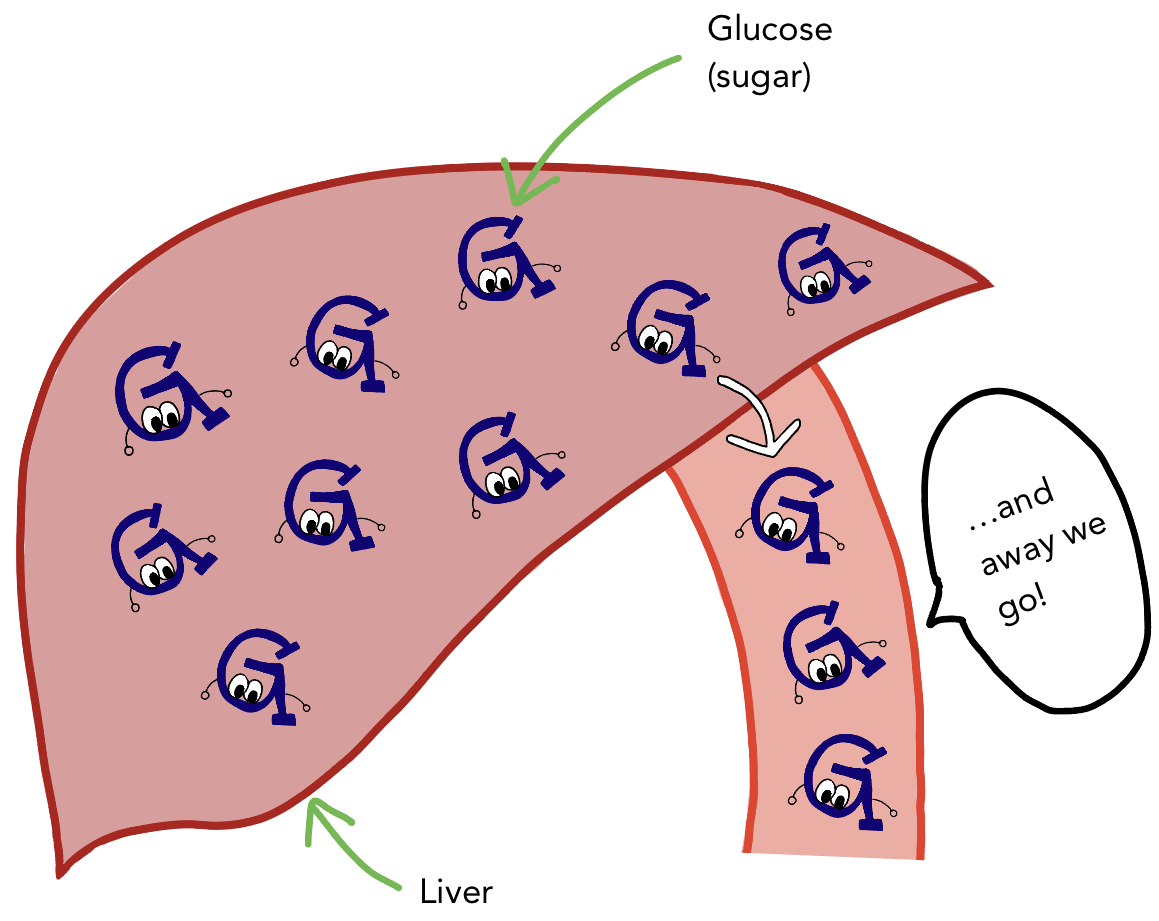
- Take Glucagon: If your blood sugar is too low, you might need to take glucagon. Your doctor will tell you how much glucagon to take and when. Glucagon tells your liver to send more glucose to the rest of your body!
6. Follow Up with a Snack: After the initial snack, have a small snack that contains some protein and carbohydrates to help keep your blood sugar stable.
7. Tell a Grown-Up: Let your parents, a teacher, or another trusted adult know what happened. They can help you and keep an eye on you.
Remember, for both high and low blood sugars, the symptoms listed are just a few of the common ones, but everyone is different. Over time, you’ll become more confident in managing your blood sugar levels and also recognizing your own unique symptoms. As always, remember to talk to your doctor and understand your specific plan!
Leave a Reply
You must be logged in to post a comment.